

About Us
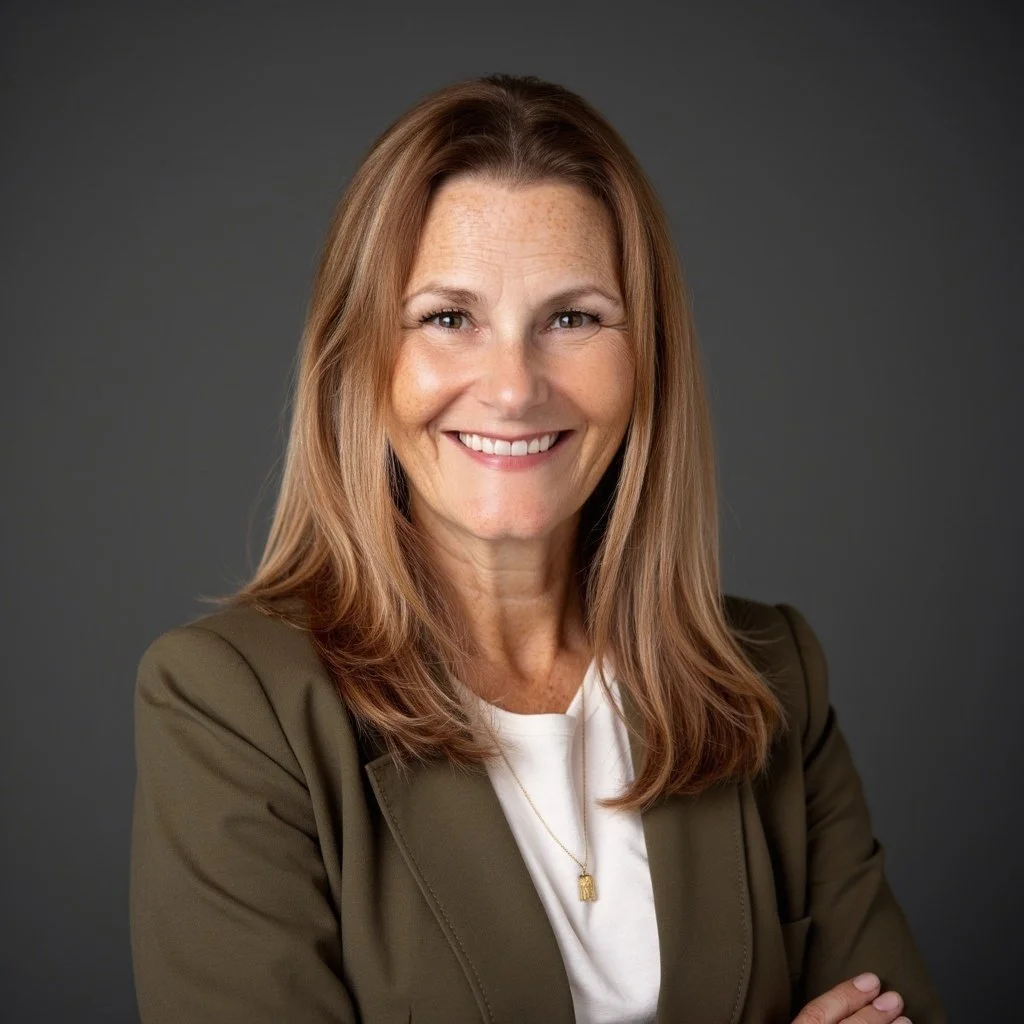
Mardi Chadwick-Balcom, Esq.
Professional Background
BA, University of New Hampshire 1994
JD, Suffolk University Law School 1998
Member of Massachusetts Bar since 1998
Rule 8 Trained Mediator 2006
Member Massachusetts Collaborative Law Council
Member Massachusetts Council on Family Mediation
Member Greater Newburyport Bar Association
Trained Collaborative Law Attorney and Coach 2024
I've practiced family law in Massachusetts for nearly thirty years. Most of those years were spent in the harder end of the work — high-conflict cases, crisis cases, the ones the system handles worst. I've also been through my own divorce, which taught me things about this process that a career in the courtroom didn't.
What I do now is mediation. It's the same legal substance I worked with for decades, delivered inside a structure that's designed to let people actually think.
How I work
In a divorce, people get stuck in two different ways, and they need different things from me depending on which kind of stuck they're in.
Sometimes someone is stuck because they don't have information. They don't know what the law allows, what's typical, what their options actually are. In those moments, my job is to be a legal resource — clear, brief, and useful. I give them what they need to think, and I get out of the way.
Other times someone is stuck because they can't access their own thinking. Their nervous system is doing what nervous systems do under threat, and no amount of information is going to help until that settles. In those moments, my job is to be a process holder — to slow things down, hold the room, and make space until they can hear themselves again.
Most of the work is moving between these two modes well. Knowing which one is needed. Not confusing them. Not rushing someone to a decision they can't yet make, and not slowing down someone who just needs an answer.
A lot of what makes this possible, for me, is training that lives outside the law — in nervous system work, somatic practice, and trauma-informed approaches. I mention it because it shapes how I show up in the room, not because it's something I do to clients in sessions.
What I offer, and what stays with you
What I bring to the process is structure, pace, attention, and clear legal information. That's what I can hold steady, session after session, regardless of how the day is going.
What you and your spouse bring — your readiness, your willingness, your capacity to hear each other on any given day — stays with you. I can create the conditions for those things to be present. I can't manufacture them.
I care deeply about the outcome you reach. I'm not in control of it, and I don't pretend to be. My job is to make a good outcome possible.
Why this approach
After decades in traditional practice, I'd seen enough to know that the legal system, left to its own logic, escalates divorces more often than it resolves them. Agreements that get forced don't hold. People sign them because they're exhausted or scared or want it over with, and then they live with the consequences for years.
The agreements that actually hold are the ones people made clearly, on their own terms, with enough information and enough room to think. That's the whole reason for the structure I work inside. Not to make divorce gentle — it isn't gentle — but to leave both people regulated enough that the decisions they make are decisions they can live with.

Sign up for thoughtful, compassionate insights on navigating divorce with clarity, calm, and confidence. You’ll receive practical tools, emotional support tips, and updates on how to move forward with strength—delivered occasionally to your inbox.
We promise: no spam, no pressure—just supportive guidance, when you need it.